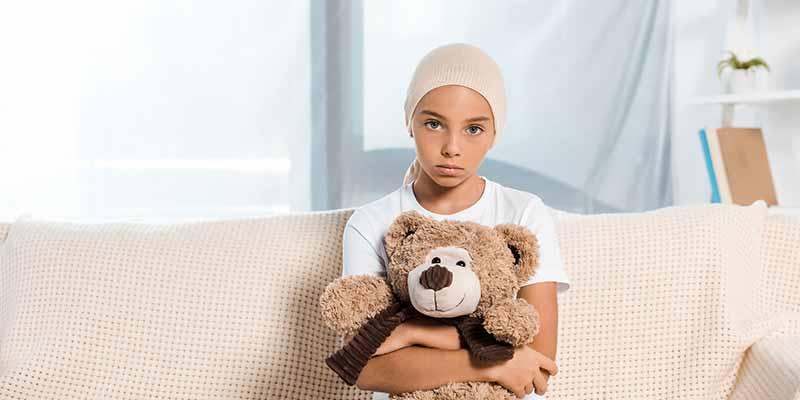
Completing cancer treatment marks a major turning point for children and their families. Months or years of hospital visits, medications, and medical monitoring finally come to an end. Relief often follows, yet this stage also brings uncertainty. Life after childhood cancer introduces new questions, adjustments, and responsibilities that extend far beyond the final treatment date.
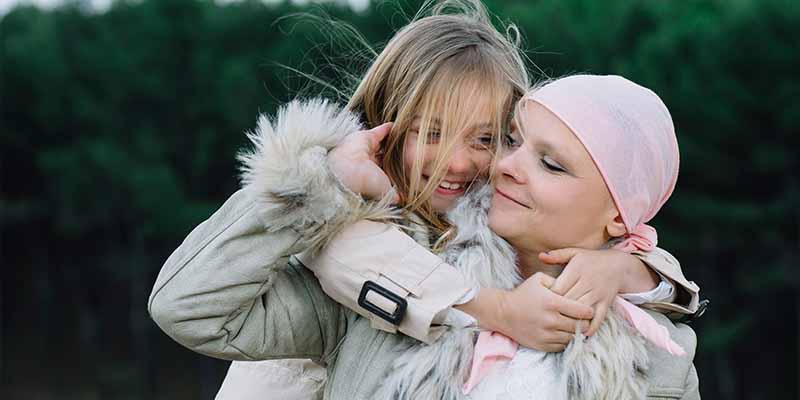
Understanding what typically follows cancer treatment helps families prepare for recovery, support emotional health, and plan for long-term care with confidence and clarity.
Emotional Responses After Treatment Ends
Many families expect happiness and relief once cancer treatment finishes. These emotions are common, yet they frequently exist alongside fear, worry, and lingering stress. Parents may remain alert for signs of recurrence, while children may feel uneasy without the regular reassurance of medical visits.
Children sometimes struggle with the sudden change in routine. Treatment schedules often provide structure, attention, and predictability. When that structure disappears, feelings such as restlessness, clinginess, irritability, or sadness may appear. These reactions usually lessen with time, patience, and support.
Open communication within the family allows children to express fears and questions. Counseling services, school psychologists, and survivor support programs can help children process emotions and regain confidence during this transition.
Physical Recovery Following Cancer Treatment
Healing does not end when treatment stops. The body needs time to recover from chemotherapy, radiation, surgery, or other interventions used during childhood cancer care. Fatigue remains common for months, and stamina may return gradually.
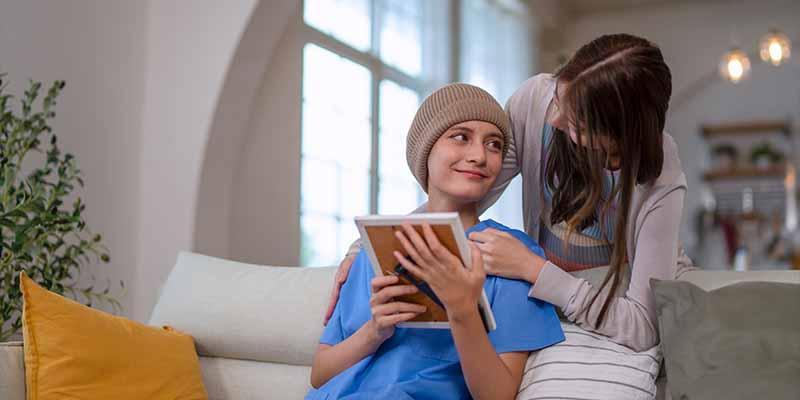
Some children experience lingering effects such as muscle weakness, appetite changes, digestive discomfort, or increased vulnerability to infections. Hair regrowth and skin sensitivity may continue during early recovery. These effects vary based on treatment type, duration, and the child’s age.
Medical follow-up visits remain part of life after childhood cancer. Doctors monitor recovery, manage side effects, and watch for delayed treatment-related conditions. These appointments offer reassurance and help guide families through physical healing.
Adjusting to Daily Life After Childhood Cancer
Life after childhood cancer often differs from life before diagnosis. Some children resume activities smoothly, while others need additional time to adapt. Ordinary routines such as attending school, participating in sports, or socializing with friends may feel overwhelming at first.
Changes in appearance caused by cancer treatment can affect self-confidence. Scars, hair changes, or weight fluctuation may influence how children view themselves. Supportive conversations and positive reinforcement help children rebuild self-image and comfort in social settings.
Parents may also face challenges during this stage. Stepping back from constant medical oversight while maintaining awareness requires balance. Gradually returning responsibility to the child supports independence while preserving safety.
Returning to School and Social Settings
School reentry represents an important milestone in life after childhood cancer. Some children feel eager to return, while others worry about stamina, academic performance, or peer reactions.
Collaboration with teachers and school counselors supports a smoother transition. Adjustments such as modified schedules, rest periods, or academic accommodations may help children rebuild focus and endurance. Clear communication allows educators to provide appropriate support without unnecessary attention.
Friendships may evolve during or after treatment. Some bonds strengthen, while others change. Encouraging children to share feelings and reconnect at their own pace supports emotional stability and social comfort.
Long-Term Medical Follow-Up
Survivorship care remains an ongoing priority following childhood cancer. Regular medical evaluations help identify delayed effects of cancer treatment, which may involve growth patterns, heart health, learning challenges, or hormonal changes.
Follow-up care plans vary depending on diagnosis and treatment history. Screenings, blood work, and imaging studies may continue for years. These measures allow early identification of health concerns and guide appropriate care.
Many hospitals offer survivorship clinics focused on life after childhood cancer. These programs provide coordinated medical monitoring, education, and emotional support tailored to childhood cancer survivors and their families.
Common Areas Addressed During Long-Term Follow-Up
- Growth and physical development
- Heart and lung health
- Learning and concentration changes
- Hormonal balance and puberty progression
- Bone strength and mobility
These evaluations help maintain long-term well-being and address concerns promptly.
Emotional Health and Psychological Support
Emotional recovery often continues long after cancer treatment ends. Children may experience lingering fear related to medical settings, tests, or physical symptoms. Parents may struggle with ongoing anxiety linked to recurrence concerns.
Professional counseling, peer support groups, and family therapy offer valuable guidance. Speaking with others who have lived through childhood cancer provides understanding and reassurance. Children often benefit from meeting peers who share similar experiences.
Caregivers also require support. The emotional toll of guiding a child through cancer treatment can persist. Seeking help reflects strength and promotes long-term family well-being.
Establishing Supportive Daily Habits
Healthy routines support recovery and stability following cancer treatment. Balanced nutrition, regular sleep, and age-appropriate activity help restore strength and energy.
Physical activity should match each child’s comfort level. Gentle movement supports muscle recovery, mood regulation, and confidence. Healthcare providers can guide safe activity levels during recovery.
Sun protection, routine health screenings, and preventive care contribute to long-term health following childhood cancer. These habits support wellness as children grow and mature.
Growth, Development, and Future Planning
Some cancer treatments affect physical growth, learning patterns, or puberty timing. Early identification allows timely intervention through educational support services, physical therapy, or medical care.
Most childhood cancer survivors pursue education, careers, and personal goals successfully. Experiences during treatment often influence resilience, empathy, and determination. Ongoing guidance helps children build confidence as they plan future milestones.
As survivors age, discussions may include independence, employment, and long-term health awareness. Providing age-appropriate information empowers informed decision-making.
Supporting Siblings and Family Relationships
Childhood cancer affects the entire family system. Siblings may have experienced fear, confusion, or reduced attention during treatment. After treatment ends, family routines often shift again.
Intentional family time, open dialogue, and acknowledgment of each person’s experience strengthen relationships. Each family member may adjust at a different pace, and patience supports healing across the household.
Ways Families Can Support Ongoing Adjustment
- Encourage open communication
- Maintain predictable routines
- Offer reassurance without pressure
- Seek family counseling when needed
These approaches promote emotional stability for all family members.
Celebrating Survivorship
Completing cancer treatment deserves recognition. Families often mark this moment through personal traditions, gatherings, or reflection. These acknowledgments honor strength, perseverance, and progress.
Celebrating survivorship helps children see themselves beyond illness. They remain students, friends, dreamers, and individuals with goals and potential. Recognition reinforces confidence and self-worth.
Final Thoughts
Life after childhood cancer involves recovery, adjustment, and growth. While challenges may appear, families do not face them alone. Ongoing medical care, emotional support, and healthy routines guide children toward fulfilling lives beyond cancer treatment.
With knowledge, patience, and community support, children who have experienced childhood cancer continue forward with resilience and hope. The end of treatment marks not an ending, but the beginning of a new chapter filled with opportunity and strength.