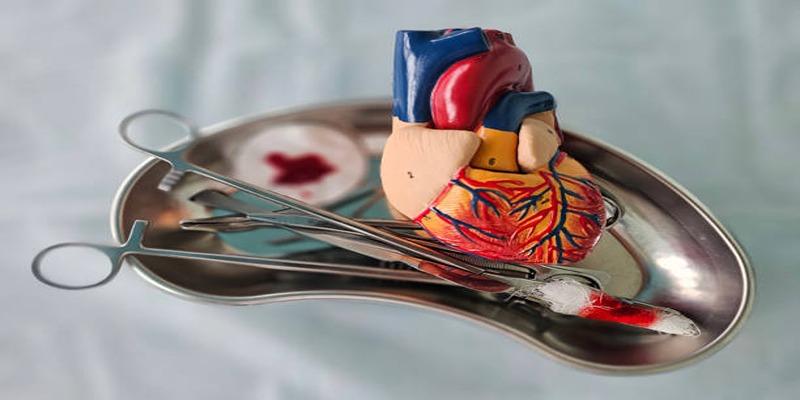
Gallbladder disease often changes everyday meal choices. The organ stores bile used for fat digestion. Inflammation or gallstones interfere with that process. Pain after meals becomes common in many clinical cases. Emergency departments often record symptoms within hours after high-fat meals. Diet adjustments form part of treatment during monitoring, imaging, or surgical planning. Nutrition teams in hospitals usually recommend lower fat meals that move through digestion more smoothly and place less pressure on bile release during recovery.
15 Foods to Avoid for Better Gallbladder Health and What to Eat Instead
Fried Chicken
Fried chicken absorbs cooking oil during deep frying. The result carries a large fat load that requires strong bile release during digestion. In gallbladder inflammation, that process may trigger sharp abdominal pain under the rib cage. Emergency room notes frequently link attacks to fried meals eaten earlier in the day. Baked chicken prepared without skin offers a safer option. Hospital diet trays commonly include this preparation since it provides protein without overwhelming the digestive system.
French Fries
French fries combine starch with oil absorbed during frying. Fat content rises quickly during cooking. Gastroenterology clinics often hear reports of stomach pressure after fast food meals containing fries. Digestive strain develops once bile release fails to match the fat intake. Oven roasted potatoes provide a workable substitute. Many diet plans used before gallbladder surgery include simple roasted or boiled potatoes served with herbs instead of oil.
Processed Sausages
Sausages often contain fatty cuts of pork mixed with preservatives and salt. High fat density makes digestion slower and more demanding on bile flow. Breakfast plates containing sausage frequently appear in symptom histories recorded by dietitians. Lean poultry strips or grilled turkey slices offer a practical alternative. These foods deliver protein without concentrated fat, reducing pressure on the digestive system during morning meals.
Bacon
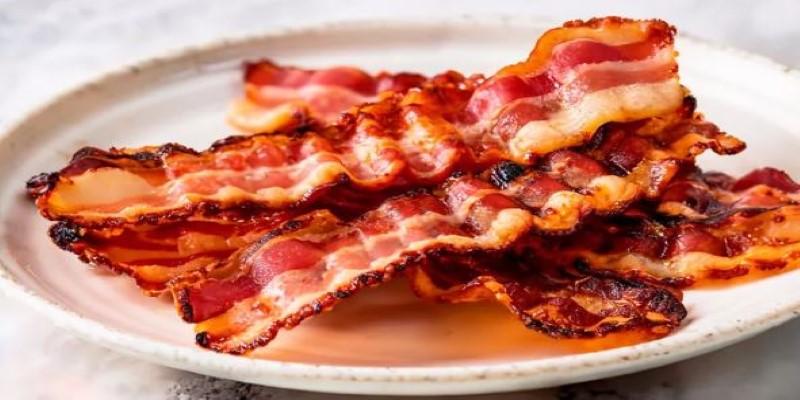
Bacon fat melts during cooking and remains concentrated in each slice. Even a small serving contains a large amount of saturated fat. Hospital nutrition teams often remove bacon from meal plans after gallbladder inflammation or surgery. Oatmeal paired with fruit and eggs prepared without butter often replaces heavy breakfast meats. This type of meal moves through digestion with fewer complications.
Full-Fat Cheese
Cheddar, cream cheese, and similar dairy products contain high saturated fat levels. Symptoms such as bloating or abdominal pressure sometimes appear after meals heavy in dairy fat. Gastroenterology clinics regularly track these patterns in dietary assessments. Reduced fat dairy options present fewer problems during digestion. Cottage cheese or plain yogurt provides calcium and protein with milder effects on bile release.
Heavy Cream Sauces
Cream sauces combine butter, cream, and cheese into one dish. Fat content in a single portion may exceed the daily limits suggested for gallbladder patients. In hospital recovery units, such sauces rarely appear on menus. Tomato based sauces or blended vegetables replace cream in many therapeutic diet plans. These alternatives maintain flavor while reducing digestive strain.
Fatty Cuts of Beef
Cuts such as ribeye contain visible marbling that melts during cooking. Fat released from these cuts requires strong bile flow for digestion. Surgeons often recommend avoiding these meats during preparation for gallbladder surgery. Lean beef such as trimmed sirloin remains a better choice in small portions. Even lean meat should be cooked without heavy oil or butter.
Butter-Rich Pastries
Pastries rely on layers of butter folded into dough. Croissants and similar baked goods contain large amounts of fat spread throughout each layer. Diet histories collected during gallbladder consultations sometimes reveal pastry consumption before pain episodes. Whole grain toast with fruit spread appears in many hospital diet plans instead. Simpler ingredients reduce digestive stress.
Ice Cream
Ice cream combines dairy fat with sugar. Digestion slows when both appear together in large quantities. Nighttime dessert consumption sometimes precedes gallbladder pain reported during urgent care visits. Reduced fat frozen yogurt may work better for occasional treats. Portion size still matters, since large servings may still challenge digestion.
Pizza With Extra Cheese
Extra-cheese pizza can turn into a high-fat meal fast. The cheese is only part of it; pepperoni and sausage add more saturated fat and can set off post-meal pain when bile flow is already struggling. In diet histories taken during gallbladder workups, pizza shows up often enough to raise flags. A thin-crust vegetable pizza with light cheese usually lands better.
Fast Food Burgers
Commercial burgers often contain processed beef patties cooked with additional fat. Cheese and sauces increase the fat level further. Emergency departments occasionally document gallbladder pain following fast food meals. Homemade turkey burgers allow better ingredient control. Fresh vegetables and whole grain buns improve nutritional balance during gallbladder friendly meal planning.
Mayonnaise
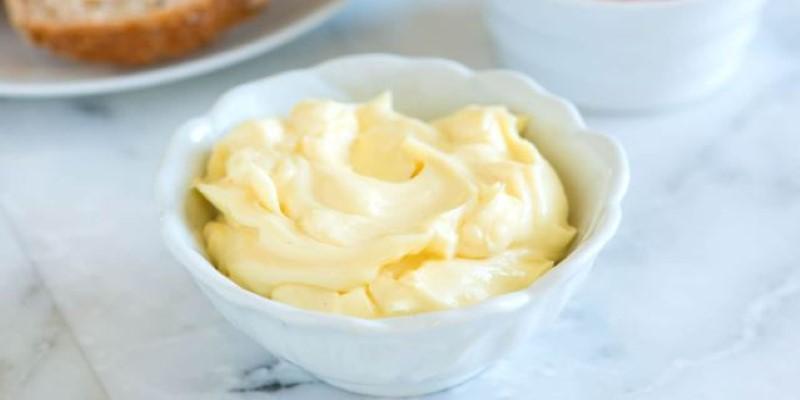
Mayonnaise contains mostly oil blended with egg yolk. Even small servings raise fat intake quickly. Dietitians frequently recommend limiting creamy condiments during gallbladder treatment. Yogurt mixed with herbs offers a lighter alternative. This mixture works well as a sandwich spread or salad dressing while keeping fat intake lower.
Chocolate Bars
Chocolate bars pack cocoa butter, sugar, and milk solids into a dense, slow-digesting bite. During gallbladder flare-ups, that fat load can set off cramping or nausea. Food logs in clinic visits often flag candy as a trigger. Swap in fresh fruit, or keep dark chocolate portions small.
Creamy Salad Dressings
Creamy dressings can turn a light salad into a high-fat meal in minutes. Most are built on oil and dairy, which can be rough on digestion during gallbladder flares. Many clinic meal plans swap them for simple vinaigrettes. Lemon juice, vinegar, herbs, and a small oil measure keep taste without the heaviness.
Packaged Snack Chips
Snack chips undergo deep frying during production. Oil remains in the final product along with salt and additives. Diet reviews during gallbladder treatment frequently identify regular chip consumption. Air popped popcorn or baked vegetable chips offer a better alternative. These snacks provide crunch with less fat.
Conclusion
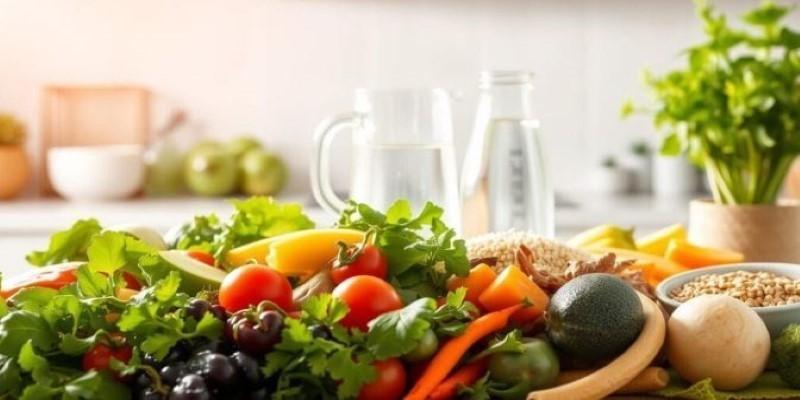
Gallbladder disorders require meal planning during diagnosis, treatment, or recovery. Fat heavy foods demand bile release, which can be difficult during gallstone blockage or inflammation. Hospitals use lower fat diets before surgery and after procedures. Lean proteins, simple grains, fruits, and vegetables appear. Persistent abdominal pain or nausea needs medical evaluation. Imaging, lab testing, and surgical consultation remain necessary when symptoms continue despite dietary changes.