Organ matching is also a vital aspect of transplant success because it ensures that the donor and recipient have similar blood types. By examining blood types, the type of tissues, and immune reactions, medical practitioners can minimize the chances of a patient being rejected, as well as increase the chances of patients overcoming their illnesses. Transplantation is essential for saving lives through this carefully performed procedure.
Why Is Organ Matching Central to Transplantation?
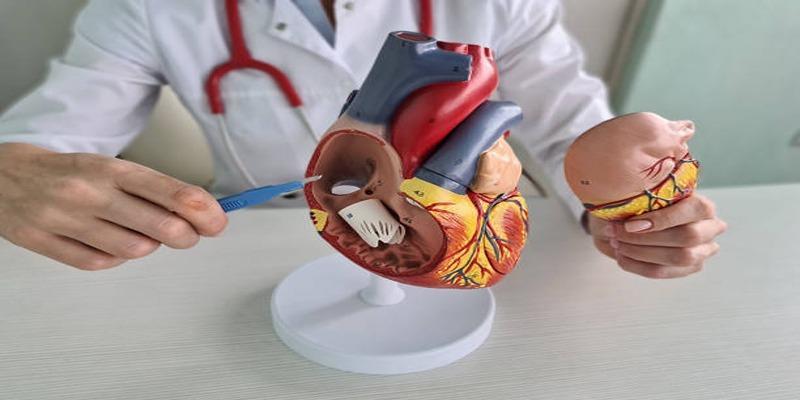
The human immune system protects the body by identifying and eliminating foreign invaders. When a transplanted organ is introduced, the immune system recognizes it as foreign and mounts an attack, a process known as rejection. If not properly managed, this immune response can severely damage or destroy the transplanted organ.
Organ matching helps minimize this risk as it ensures that the donor organs have significant biological similarities with the recipient. A biocompatible organ match can lead to better outcomes and reduce the likelihood of immune conflict, thereby increasing the probability of success in the long run. Practically, successful matching does not only save lives but also improves the quality of life, so that s/he does not have to rely on intensive medical intervention.
Core Principles of Organ Matching
A series of closely related factors guides organ matching and each of them contributes out of different factors leading to compatibility:
Blood Type Compatibility
The most basic step entails matching blood groups. On the same note, just as incompatible blood transfusion was dangerous, organ transplantation of a different blood group would result in immediate and severe rejection.
Typing of Human Leukocyte Antigen (HLA)
HLAs are proteins that are placed on the surface of immune response regulating cells. Every individual possesses a special set of HLA markers. The more HLA of the donor fits in that of the recipient, the less the risk of rejection. This aspect is critical particularly during kidney and bone marrow transplants.
Crossmatching
This is a laboratory test, which entails mixing of donor cells with that of the recipient blood serum. When a reaction in the recipient blood becomes strong with the antibodies this is an indicator that there is incompatibility. Negative crossmatch shows that the organ has increased chances of being accepted.
Donor Organ Size and Condition
The whole body of the recipient needs to fits the donor organ which is health and size. An example is that a heart or lung cannot be disproportional since there will be no proper operation. Age and medical history of a donor are also examined in order to know the expectations of organ performance.
Medical Priority and Urgency
Although compatibility is important, medical teams are also under obligation to put into consideration the urgency of the condition of the patient. Life-threatening situation may lead to a less than perfect match situation being considered in a patient.
This set of principles demonstrates that organ matching is not an isolated test but a complex of scientific assessments aimed to reduce the risk and increase survival.
The Matching Process in Practice
Due to the high sensitivity of organs, each operation should be conducted strictly and within a short period of time.
The first one is that donor data is captured in national or regional allocation registries where they are matched with the profile of patients who are waiting to receive transplants. The first are blood type and size of organs. After the preliminary matches are determined, HLA typing and crossmatching is done in order to narrow the selection.
The selected recipient is then called upon and surgery preparations are made. At the same time, logistics in transport is organized to ensure the viability of organs. Indicatively, whereas kidneys may take longer than a day when preserved well, livers, hearts, and lungs are required to be transplanted in a far shorter period, and may only take a few hours.
Barriers and Complexities in Organ Matching
The organ matching has several issues, even with such intensive procedures:
- Scarcity of Donors: Organs are on high demand and their supply is low. Waiting lists are full of thousands of patients that wait their life long, and some of them cannot survive the wait.
- Genetic Variability: Human populations are genetically diverse and it is difficult to find any exact match particularly to minority populations that may have specific HLA.
- Logistical Constraints: The compatibility does not only need to be biological but also time-sensitive transportation and surgical preparation. The distance between the donor and recipient hospitals may add to the problem.
- Risk of Late Rejection: Rejection may still follow months or years after apparently successful matching and transplantation which reminds us of the fact that compatibility is a requirement but not a guarantee.
These issues demonstrate a fine line between science and practice of transplantation.
Advances Strengthening Organ Matching
Medical science is still refining the methods of organ matching, thereby increasing success rates and minimizing complications.
- High-Resolution HLA Typing: Recent genetic technologies enable the more accurate analysis of the HLA markers and enhance compatibility and lower the chances of rejection.
- Innovations in Organ Preservation: Machine perfusion systems maintain the organs in an oxygenated and nourished state outside the body prolonging their lives and providing more time to test and transport them.
- Predictive Algorithms: High level computing systems are currently aiding in the match-making of decisions and the various variables are weighted at the same time to give priority to recipients with the best chance of benefiting.
Post-Transplant Outcomes and the Impact of Matching
A properly fitted organ will prove to be effective even years after the operation. Highly compatible patients usually have:
- Enhanced integration of the organ with few complications.
- Less intensive therapies are required.
- The improved long-term Survival.
- Better quality of life in everyday life.
Poor matching on the other hand may cause recurrence of rejection, extra medical procedures or a second transplant may be necessary. Therefore, matching is not just a pre-surgical technique, it has long-term outcomes on the well-being and future of a patient.
Ethical Considerations in Organ Matching
Beyond science and medicine, organ matching involves ethical responsibilities. Allocation systems must balance fairness with medical urgency. Should priority go to those with the best match or those with the most critical need? How can systems ensure that people from all backgrounds have equitable access?
Expanding public awareness about organ donation is vital to addressing these questions. Every additional donor increases the likelihood of suitable matches, thereby improving fairness and outcomes for patients worldwide.
Conclusion
Organ matching is not just a technical detail in transplantation—it is the cornerstone of success. By aligning donor and recipient biology, matching reduces rejection risks, improves long-term outcomes, and ensures that the profound gift of an organ can truly transform a life. Although challenges remain in donor availability, timing, and genetic diversity, advances in technology, preservation, and immune science continue to strengthen the process.