The diagnosis about your child requiring a PICC line may be overwhelming. The question of what, how it works and how to keep the child safe is a big concern to most parents. A PICC or short Peripherally Inserted Central Catheter is an especial kind of IV line. It is administered by physicians to deliver medicines, fluids or nutrition into a large vein. It might be very complex, but getting acquainted with what it has to do can make you feel ready and self-assured.
What Is a PICC Line?
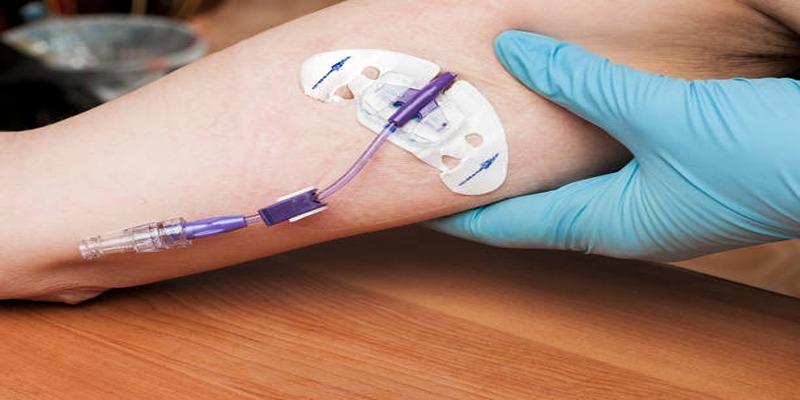
A PICC line is a fine, hollow tube, which physicians place in one of the arms as a vein. The line effectively runs in the vein till it gets to some larger vein closer to the heart. A PICC line may remain in place weeks or even months due to the location of the line. It enables physicians to administer therapy without the need of changing IVs on a daily basis.
How a PICC Line Works
This PICC line is attached to the arm. there is a small opening known as access point that connects to the outside of the arm. This is where nurses or doctors connect medicines, fluid or nutrition bags. This aids the treatment in direct entrance into the blood.
Why Might My Child Need a PICC Line?
There are some reasons why kids might require that PICC line. They are normally prescribed by doctors in cases where normal IVs are inadequately used.
Common Reasons Include:
- Long courses of antibiotics or other medicines
- The frequent arrangement of blood tests is mandatory.
- Taking the nutrients with the vein.
- Treatments which can irritate smaller veins.
A PICC line simplifies the treatments, reduces any pain, and does them more efficiently.
The PICC Placement Process
Parents have many questions about what occurs during in placement of PICC line.
Before the Procedure
- The health care personnel describes how it is done and answers any questions you may have.
- To make your child calm down, your child might receive some medicine.
- The arm is innoculated to reduce the chances of an infection.
During the Procedure
- The catheter is inserted in an upper arm by a doctor or trained nurse into a vein.
- To place the line in the right position ultrasound can be utilized.
- A dressing and even a stitch is used to stabilize the line.
After the Procedure
- X-ray, or other test, can be completed to verify placement of line is correct.
- Nurses examine the site frequently to do check-up on bleeding or swelling.
How Long Does a PICC Line Stay In?
You may need a PICC line to remain several weeks to months depending on the requirements of the child. When it is removed is at the decision of the doctors. The medical team can remove the line in a simple and short procedure, in case your child no longer requires it.
Caring for a PICC Line at Home
- Washing and changing of dressings.
- The dressing should be clean, dry and covered.
- Nurses will educate you on the frequency at which to change the dressing.
- Wash your hands with lot of good washing before touching the line.
Flushing the Line
- The use of flushing maintains the passage open and unobstructed.
- Nurses demonstrate how you can safely do this.
- Take the correct solution and regimen offered by your physician.
Watching for Problems
Check the PICC site every day. Contact his or her physician in case of:
- Redness or swelling
- Leaking fluid
- Fever or chills
- Pain around the site
How to Help Your Child Live Comfortably with a PICC Line
A PICC line does not have to stop your child from living normally. With some care and adjustments, children can continue school and play.
Tips for Comfort and Safety
- Use a protective sleeve when it comes to activities on the PICC.
- Be careful to avoid rough play/sports which might drag the line.
- You should ask your child not to pull the tubing or play with it.
Daily Life with a PICC Line
- Your child is able to bath or shower; however do not get him/her to wet the line. A waterproof cover may help.
- Loose and also comfortable clothes help cover and conceal the line.
- Advise your child to be able to stay active as long as it is safe.
Emotional Support for Parents and Children
The presence of PICC line will differentiate or cause anxiety in children. Parents might be also stressful.
Supporting Your Child
- Explain to your child in simple words.
- Make them understand that the line will make them improve.
- Compliment them and enable them to question.
Supporting Yourself
- Be updated on PICC care.
- Seek the medical support when necessary.
- Get in touch with other parents who have experienced the same.
Removing the PICC Line

Upon complete treatment the medical staff will take out the PICC line. It is painless and not often needed to be done surgically. Doing away with them is done with a small bandage on the site. Recovery is rapid and in the majority of cases, children come back to usual activities immediately.
Conclusion
Hearing your child has to have a PICC line is not always easy. However, there is a way to be more confident once you recognise the principle of its functioning and the way the way to take care of it is. Your child will be able to safely receive treatments with your help and under the supervision of the medical team to attain a normal birth and live. With your timely awareness and continued engagement, you are providing the maximum opportunity to your child to recover ensuring that he/she is comfortable and safe.