The hair is a pointer to the general health yet being under constant strain through styling is actually causing damage without one realizing it. Traction alopecia is a type of alopecia that is preventable and develops when there is repeated yanking or tension of hair follicles. In this article, our focus is on the signs to note in the early stages, causes, and measures one can adopt to cover his hair before it has been impaired permanently.
What is Traction Alopecia?
Traction alopecia is a type of hair loss caused by constant tension on hair follicles. This tension weakens the follicles, leading to bald spots or thinning hair. Unlike temporary hair loss, prolonged stress on the follicles can cause permanent damage if not addressed. This condition is common in individuals who frequently wear tight hairstyles or hair extensions.
Traction alopecia primarily affects the hairline, temples, and crown, though it can impact any vulnerable area. Understanding this condition is the first step toward prevention and treatment, allowing individuals to adjust their habits and protect against irreversible hair loss.
Causes of Traction Alopecia
There are several potential root factors of traction alopecia that can be identified to avoid additional destruction and preserve hair health. The sensitive nature of hair follicles means that their damage may occur gradually over time, especially with the regular practice of tension or stress on the hair. Understanding these contributing factors is crucial for prevention.
Hairstyles That Cause Damage
Certain hairstyles are particularly notorious for causing systematic strain on hair shafts. Braids, weaves, tight ponytails, buns, and hair extensions, while often fashionable and popular, can lead to traction alopecia. These styles exert a constant pulling force on the hair, gradually weakening the follicles and leading to hair breakage and loss. Even seemingly mild tension, when applied consistently day after day, can accumulate and result in significant hair loss over time.
Chemical Treatments
Chemical treatments, such as perms, relaxers, and harsh coloring products, significantly weaken the hair structure. This weakening increases the hair's susceptibility to traction damage. When tight hairstyles are combined with these chemical treatments, the risk becomes even greater. Chemically treated hair is already compromised, making the follicles less able to withstand the repetitive strains and pulling forces that would otherwise be manageable for healthy hair.
Hair Accessories and Wigs
The use of certain hair accessories and wigs can also contribute to traction alopecia. Elastic bands, clips, and heavy wigs, especially when worn for extended periods or too tightly, can exert prolonged stress on the scalp. The lack of rotation and rest for these tools means that specific areas of the scalp are constantly under tension. This continuous pressure can overstress the hair follicles in those areas, leading to their eventual damage and subsequent hair loss.
Early Warning Signs
It is high on early detection and continuation of the wellness of your scalp as it prevents the ultimate loss of hair. The early recognition of minor symptoms permits early intervention prior to irreversible destruction of the hair follicles and development of the disease condition.
Thinning at the Hairline
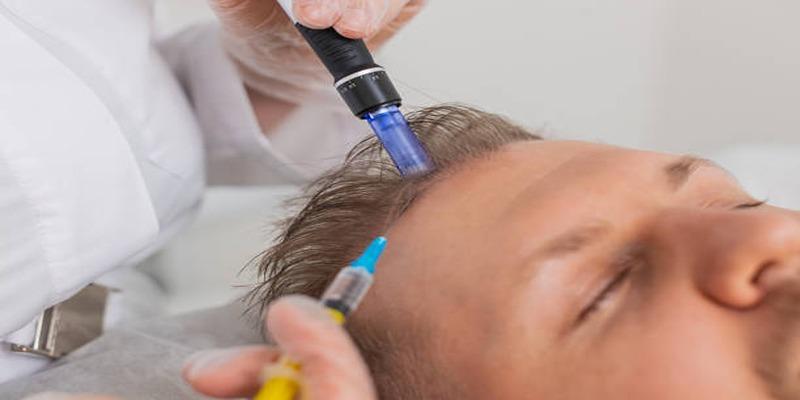
Traction alopecia typically presents as noticeable hair loss or thinning along the frontal hairline, temples, behind the ears, or other areas under tension from certain hairstyles. It may appear as a widening part from frequently tying hair back or gradual thinning that cannot be attributed to normal, age-related hair shedding. These areas should be monitored closely, as they are often subjected to constant strain from various hairstyles.
Scalp Irritation and Scalp Tenderness
A sore, itchy, or sensitive scalp may indicate excessive stress on the hair follicles. This irritation is often caused by constant pulling or tension on the hair. Early signs of strain on the scalp include redness, swelling, or pain, especially when brushing, styling, or even touching the affected area. Some individuals may also notice small bumps or pimple-like lesions. It's important to address these symptoms to relieve the scalp from unnecessary tension.
Breakage and Shedding
Are you noticing more hair breakage around your hairline or temples? Perhaps you're seeing excessive shedding in specific areas, or your hair strands appear shorter, more brittle, or notched at the ends? These are all signs of follicle fragility and indicate that your hair's integrity might be compromised.
Advanced Symptoms of Traction Alopecia
When the tension of the scalp is left unattended, small indications of loss of hair would slowly advance into serious and more difficult states. These advanced cases are quite difficult to undo highlighting how much urgency is put in the need to make immediate action that will ensure you take measures to protect and safeguard away your hair in its healthy condition.
Bald Patches
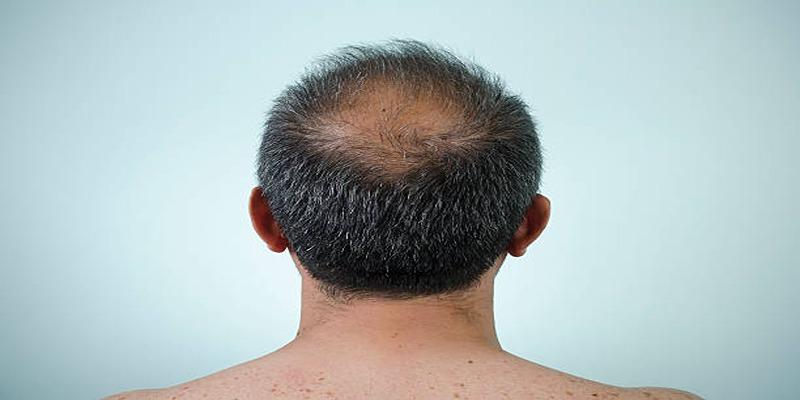
Adjacent bald spots are a noticeable sign of hormonal changes caused by stress. These patches often appear in areas of repeated strain, such as the temples, sides, or crown of the head. Over time, the affected follicles weaken and struggle to regrow hair without proper care.
At this stage, professional intervention may be necessary, such as specialized treatments or therapeutic procedures, to stimulate regrowth and restore hair health. Addressing bald patches promptly is crucial to prevent further damage and promote recovery.
Scarring Alopecia
When tension is persistent and is not dealt with, it may end up with a permanent damage. The known advanced and last stage is scarring alopecia in which the hair follicles are so debilitated that they become incapable of generating growth of more hair. What is left is smooth shiny patches on the scalp where hair will never grow again.
Sadly enough, scarring alopecia cannot be reversed and this only increases the importance of early detection and prevention. It is necessary to find out the sources of tension at a younger stage and eliminate them to maintain a healthy scalp and hair loss.
Conclusion
The Traction alopecia is a painless but avoidable loss of hair as a result of hair follicles strain after a stretch. The use will manifest by early changes in the form of thinning, scalp tenderness, and hair breakage, with chronic stresses bringing results such as bald spots or permanent scarring. Incorporating mild styling principles, introducing recreational intervals, and issuing prompt medical attention, one may take good care of his or her hair and avoid irreparable harm.