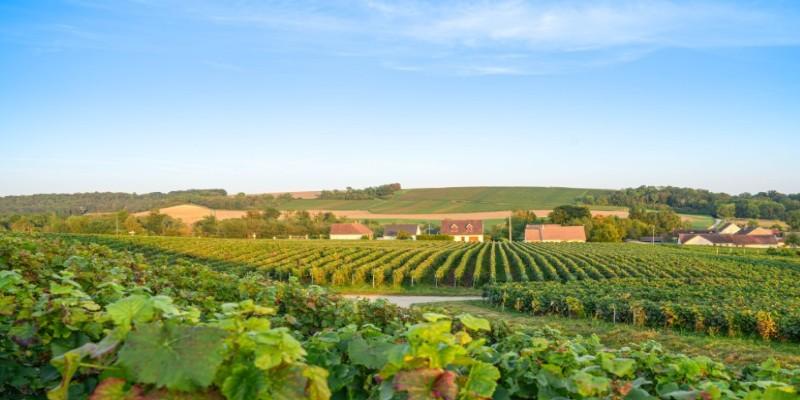
A weekend in the Champagne region works best with clear expectations and realistic timing. Two days pass quickly once transport gaps, limited opening hours, and seasonal pressures come into play. Many visitors arrive from Paris late on Friday, already tired and eager to fit everything in. That impulse causes most problems here. Towns close early, rural roads are slow, and reservations shape each day more than guidebooks suggest. This region rewards patience and planning grounded in how local systems actually run. A calm pace allows space for meals, walking, and small adjustments when plans shift without warning.
Arrival Patterns And Where Weekends Tend To Stall
Most weekend trips start in Reims, thanks to the quick train ride from Paris. Friday evenings are the busiest, with arrivals peaking between six and eight. Taxi queues grow, and smaller hotels often operate with minimal staff after dinner. Late check-ins without notice sometimes leave travelers waiting outside while staff return from errands. A quick call ahead usually prevents that frustration.
Épernay draws crowds during the day, but after early evening, the streets empty. Shops close sooner than expected, and Sunday mornings feel unusually quiet. Evening walks in the town often reveal shuttered doors and near-empty streets. Reims stays livelier, supported by local residents and university students, making it a steadier option for overnight stays.
Driving introduces its own challenges. Street parking rules shift every few blocks, signage is inconsistent, and weekend enforcement continues without pause. Visitors unfamiliar with these rules risk fines before breakfast. Hotels with private lots add cost but guarantee peace of mind. Public transport schedules shrink on Sundays, so staying close to key stops matters more than the distance shown on a map.
Seasonal fluctuations affect availability, too. Spring and early autumn bring conferences and harvest activity, which squeeze hotel space. Many properties release last-minute cancellations late in the week, tempting flexible travelers but adding uncertainty. Winter is quieter and cheaper, yet shorter daylight hours leave less time for countryside drives or village visits. Planning with these rhythms in mind keeps the weekend smoother and less stressful.
Landscapes, Villages, And Practical Timing Choices
The countryside appears gentle, though elevation changes add up over a day. Paths cut through chalk soil that turns slippery after rain. Casual footwear leads to slow progress and early fatigue. Comfortable shoes matter more here than fashion. Morning hours suit village visits best. Bakeries open early and close by mid-afternoon, and lunch seating fills fast.
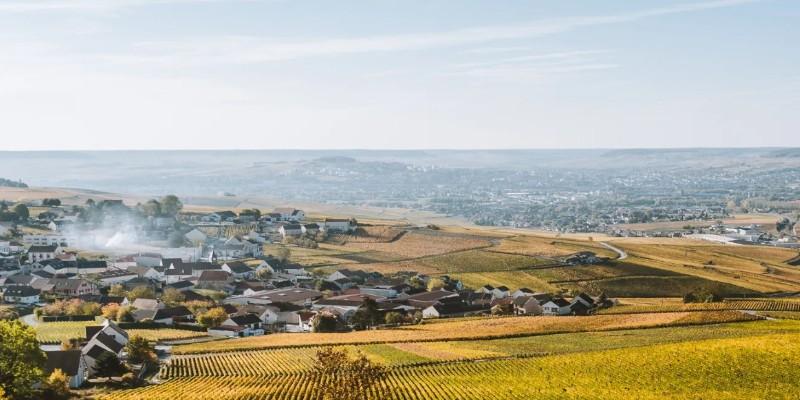
Many villages follow local calendars rather than national schedules. Road closures appear during seasonal events tied to farming cycles. These closures rarely show online. Local tourist offices post notices on windows or bulletin boards. Visitors relying only on apps often arrive at blocked streets and detours. Asking hotel staff about weekend disruptions saves time and fuel.
Autumn brings heavy farm traffic. Slow-moving equipment clogs narrow roads and reduces parking space near viewpoints. Spring feels calmer yet carries sharp weather swings, with cold mornings and sudden rain. Summer attracts tour buses that arrive mid-morning and depart by late afternoon. Visiting villages early or late avoids congestion and improves chances of open shops.
Rural dining follows strict hours. Kitchens close between lunch and dinner without exception. Travelers missing that window rely on convenience food or long drives back to town. Planning village stops around meal times keeps energy steady and avoids frustration.
Meals, Markets, And Pacing The Day
Meals dictate the weekend rhythm more than sightseeing lists. Reservations remain necessary even in small towns, especially for Saturday evenings. Walk-ins face limited menus or full dining rooms. Many kitchens close entirely on Sunday night, leaving few options beyond cafes. Visitors unaware of this pattern often scramble for food late in the day.
Local markets operate on fixed mornings and shut down promptly. Arriving late means empty stalls and packed vans. Cash remains useful, since mobile payment systems fail outdoors. Vendors leave early once supplies run out. A market visit works best paired with a light lunch plan rather than a full sit-down meal.
Lunch tends to stretch longer than expected. Service moves at a measured pace, and tables stay occupied for hours. This suits relaxed itineraries but disrupts packed schedules. Travelers trying to squeeze in multiple stops after lunch often abandon plans. Portions feel generous, and afternoon energy dips naturally. Fewer stops with longer breaks align better with local habits.
Communication gaps cause issues. Menus sometimes appear only in French, and staff expect patience during busy periods. Clarifying dietary needs early avoids misunderstandings. Mobile signal weakens in rural areas, which complicates last-minute booking changes. Downloading maps and confirmations ahead of time prevents delays.
Museums, Cellars, and Advanced Planning Realities
Cultural sites operate on conservative schedules. Many museums close by five, with last entry thirty minutes earlier. Sunday hours shorten further, especially outside peak season. Visitors arriving after lunch often miss access. Morning visits leave more flexibility for the rest of the day.
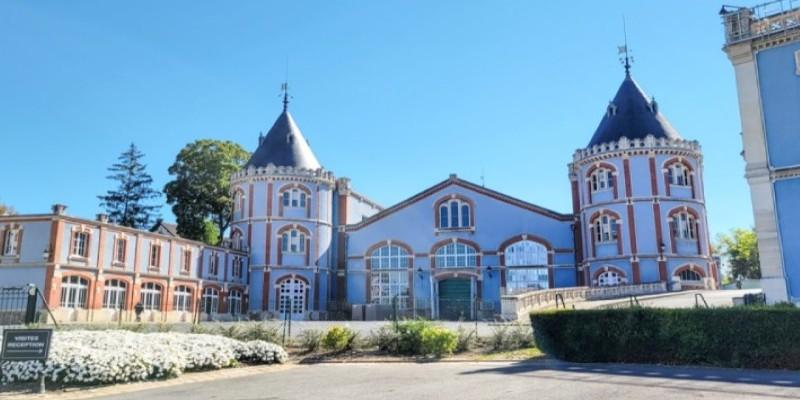
Historic cellars attract heavy demand and require advance tickets. Weekend walk-ins rarely succeed. Tours run at fixed times and set languages, which limits spontaneity. Missing a slot usually means losing the fee. Late arrivals receive no exceptions. Travelers relying on tight connections feel that pressure most.
Group sizes stay capped for safety. This causes sellouts weeks ahead during busy months. Smaller houses close entirely on Sundays, a detail missed on large booking platforms. Checking official schedules directly reduces disappointment. Underground temperatures remain cool year-round, so a light jacket helps even in summer.
Photography restrictions apply in many sites. Staff enforces rules strictly. Bags larger than backpacks may require storage, which adds waiting time. Planning one booked visit per day keeps stress low and leaves room for walking or rest between appointments.
Closing Thoughts
Two days here pass quickly, shaped by limited hours and local routines. Overfilled itineraries create friction and missed meals. Simple plans built around one reserved visit per day work better. Weather shifts, Sunday closures, and transport gaps affect every schedule. Travelers accepting those limits enjoy quieter streets and better service. A first weekend sets expectations rather than completing a checklist. The region reveals itself slowly, across seasons and return visits, at a pace that resists urgency and rewards patience.