The reflexes of babies are excellent and extremely necessary in early growth and development. Their neurological health is also determined, as these involuntary movements, including rooting and grasping, serve a function similar to complementing the immensity of interaction with the surrounding environment. Knowledge of these natural reflexes would equip the parent better to nurture their baby through this crucial early development.
What Exactly Are Newborn Reflexes?
Reflexes are unconscious type of movements or actions that are brought about by particular stimuli. They do not need any conscious thought as opposed to learned behaviors. Reflexes are fundamental life instincts in newborns. Indicatively, when a baby lacks lessons, he or she knows automatically how to seek food, take a finger or react to sounds.
Although there are reflexes that disappear along with the development of the baby, others turn out to be attachments that advance into a goal-oriented behavior, the building blocks of the developmental milestones.
Why Are Reflexes More Than Just Movements?
Newborn reflexes might be considered mere reactions at first sight. In fact, they are very vital in the process of Survival, development, and future learning.
- Safety and Protection: The two reactions that are included the process of blinking, sneezing, and startles response as the security mechanism of the body.
- Nutrition and Growth: Reflexes that include rooting and sucking are very fundamental in feeding.
- Neurological Checkpoints: These are health signs of sound brain and nerve conduction monitored on reflexes by the healthcare providers.
- Foundation to Learning: The reflexes of various kinds tend to work their way into intentional skills.
Through the attitude of cherishing these functions parents will be able to consider reflexes not only as temporary funny peculiarities but valuable half-steps along the process of development of a baby.
Exploring the Key Reflexes in Newborns
Reflexes all have their purposes and times. The following are the most important ones:
Rooting Reflex
Upon tenderly stroking the cheek of the baby, the baby turns the head and mouths open in the pursuit of food. This reflex will make sure that babies while in the very first days can easily find a source of feeding. It normally vaporises 4 months when feeding is more voluntary.
Sucking Reflex
This reflex leads to rhythmic sucking, being stimulated by touching the roof of the mouth of a baby. Effective feeding requires it, and it then combines with voluntary sucking and chewing possessions.
Moro Reflex (Startle Reflex)
When babies are responding to a sudden sound or action, they will only stretch their arms outward, open their hands then draw the arms back into their body. It may seem dramatic but it is a protective reaction, which tends to pass in half a year.
Grasp Reflex
When the palm is touched, the baby assumes the action of surrounding such a product with the fingers. This reaction that causes melting of more than a few hearts indicates muscular motion, and this gives way to voluntary grasping when one has better organization.
Stepping Reflex
Newborns tend to replicate steps if they are positioned standing on their feet and a surface. Although they are not yet able to walk they have already developed this reflex which implies the early brain muscles coordination that forms the later walking.
Tonic Neck Reflex
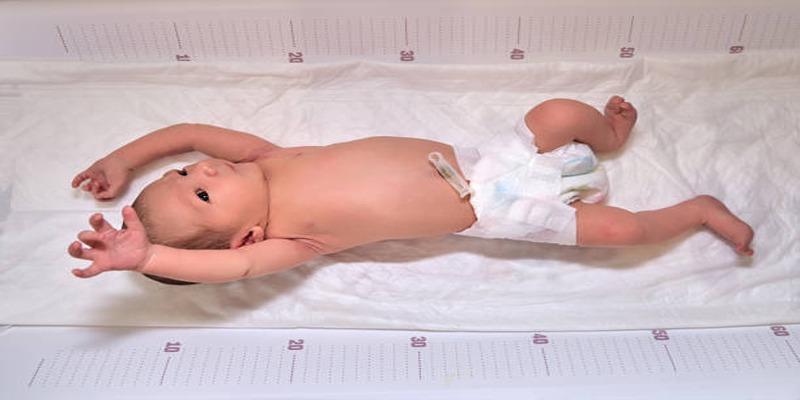
Also referred to as fencing position, this reflex takes place when the head of the baby turns to a side. One arm of that side extends straight out and the other arm folds. It helps to balance the hands and eyes and goes away in approximately six months.
Babinski Reflex
The toes of a baby would part before rolling up in all directions when one rubs their sole at the foot. It is also normal in infants until approximately to a year old and when it disappears it indicates normal neurological development.
How Parents Can Support Reflex Development?
These are not comparable to most reflexes, such as those that one should have and possess. Blinking helps in preventing the eyes of sudden movement or light whereas sneezing helps to remove nasal passages.
- Responsive Feeding: Be precise when it comes to rooting and sucking.
- Finger Play: Babies should be encouraged to grasp fingers or lightly weighted items.
- Tummy time: This means lying a baby on tummy with a supervision; this exercise helps in building muscles in the neck, shoulders, and even in the arms.
- Interactive Play: The smiles, singing as well as soft talking will get sensorial.
When Reflex Patterns May Signal Concern?
In spite of the naturalness as well as the soothing power, the differences in the appearance of reflexes may indicate the necessity of specialized attention at times. The parents are advised to see a healthcare professional in case:
- There appears to be no reflex in the beginning.
- Reflexes are either over-reacted or under-reacted.
- Reflexes are maintained long after the predictable age.
- You actually observe movements to be stronger on one side of the body unlike on the other one.
- They experience feeding problems even when they have normal reflexes.
Early evaluation is the basis of early support, which may have a great effect on the developmental results.
Dispelling Common Myths About Reflexes
Advice is prone to flood about parenting, and reflexes do not start exceptionally. We need to draw the line between fact and fiction.
- Myth: Reflexes are unenthusiastic movements.
They actually are goal oriented nervous reactions which are necessary to survive and develop. - Myth: The intelligence on the baby is portrayed through the reflexes.
Reflexes show healthy growth yet it fails to foresee the intellectual capacity. - Myth: Reflexes have to be trained.
Reflexes merge themselves. It is better to promote natural play and free exploration than attempt to make milestones.
The Emotional Meaning Behind Reflexes
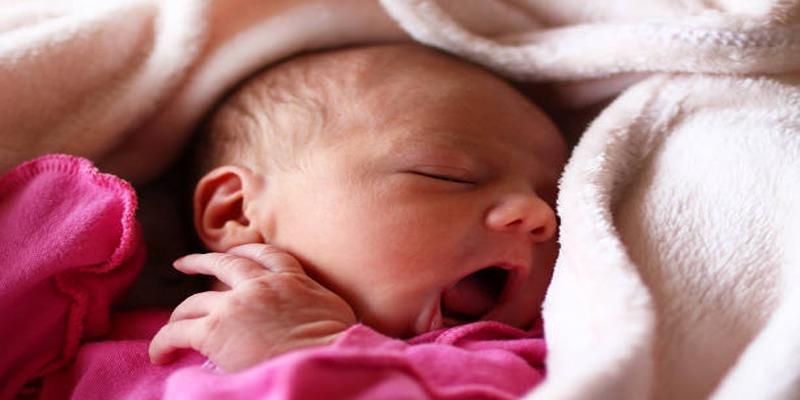
Beyond their biological importance, reflexes carry emotional value for parents. The tiny fingers curling tightly around a caregiver’s hand or the instinctive head turn when gently touched on the cheek create moments of profound connection. These reflexes remind caregivers that their baby is not only surviving but actively engaging with them.
For many families, observing these reflexes offers reassurance during a time filled with uncertainty. They symbolize progress, closeness, and the unfolding of a baby’s individuality.
Conclusion
Newborn reflexes are one of nature’s most remarkable designs. They protect, nourish, and prepare babies for life beyond the first months. For parents, understanding these reflexes provides clarity, reduces anxiety, and enhances the joy of caregiving. By observing reflexes with patience, responding to them with care, and supporting their natural progression, families can celebrate the early stages of growth with confidence. Each reflex tells a story of resilience, adaptation, and promise.