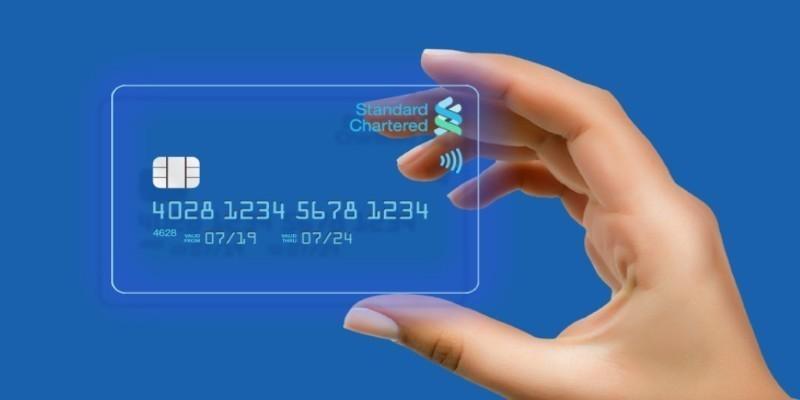
A virtual credit card is a modern way to pay online without sharing your real card number. It looks and works like a regular credit card, but it exists only in digital form. People often use it to shop more securely on the internet or sign up for subscriptions they might cancel later.
The idea is simple: you get a temporary or masked card number tied to your real account and use that instead. This small extra step can make a big difference in keeping your financial information private, especially when data breaches and scams have become more common.
How Virtual Credit Cards Work?
A virtual credit card is issued by your bank or card provider through an app or online portal. You don’t get a plastic card in the mail. Instead, they generate a temporary card number, expiration date, and security code that link to your real account. You can use this virtual number at any website that accepts normal credit card payments.
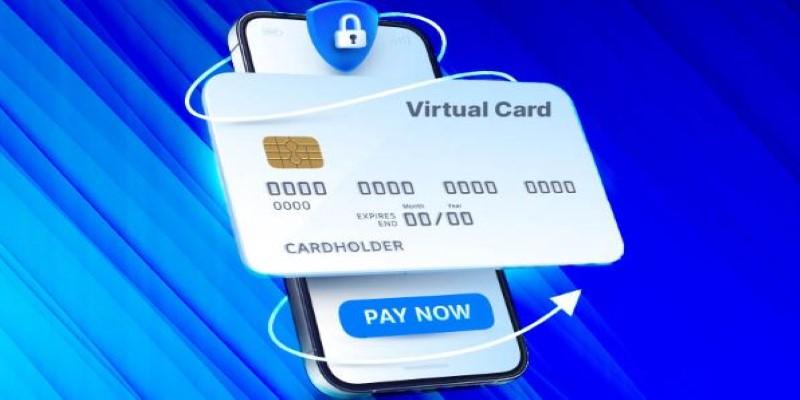
Some virtual cards are single-use, which means they expire after one purchase or a short period. Others can be set up with limits — like a fixed dollar amount or expiration date — to give you even more control. When you make a purchase, the money is drawn from the same account your physical card uses, but your real card number is never exposed to the merchant.
This setup helps reduce fraud. If a site gets hacked or leaks payment info, only your virtual number is affected. You can cancel or replace that number without needing a new physical card, and without waiting for it to arrive in the mail. In cases where you're signing up for free trials, you can set an expiration date on the virtual card to avoid getting charged later.
Benefits of Using a Virtual Credit Card
The main appeal of a virtual credit card is privacy and protection. Since the card number you use isn’t your real one, there's less risk of it being misused. If you shop on smaller websites or unfamiliar platforms, this added layer can give peace of mind.
Another advantage is better control over spending. You can create virtual cards with a spending cap or a one-time use limit. This can be useful if you're giving a card to someone else in your household for online purchases or managing recurring charges. Some users even create different virtual cards for different subscriptions, so they can easily track or cancel them later.
There's also the convenience of being able to disable a virtual card instantly. If you suspect unauthorized activity, you can pause or delete the virtual card number in seconds, without affecting your main card or other active subscriptions. This quick action is often not possible with physical cards, which require replacement and reactivation.
Virtual cards also help avoid hassle when it comes to refunds. Since they are tied to your main account, any refund issued to the virtual number still goes back to your real account, even if the temporary number has already expired.
Limitations and Things to Keep in Mind
While virtual credit cards offer many benefits, they aren’t perfect for every situation. For example, if you're booking a hotel or renting a car, some businesses may ask to see the physical card used for the transaction. In those cases, a virtual card won’t work. It's best used for online transactions where no physical proof is required.
Another thing to consider is how well your bank or card issuer supports virtual cards. Not all providers offer this feature. Some banks offer it only for certain types of accounts or cards, and some may limit how many virtual numbers you can create at once.
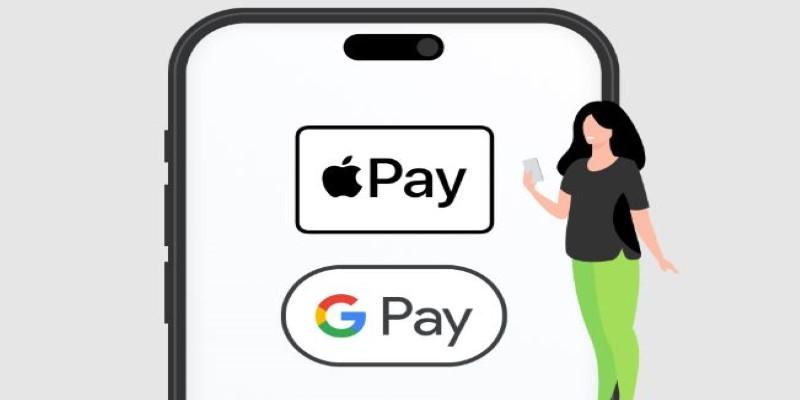
Mobile wallet support can also vary. While some virtual cards can be added to apps like Apple Pay or Google Pay, others can’t. And while creating and managing virtual cards through an app is generally straightforward, it does add one more step in the checkout process, which might be inconvenient for some people.
Lastly, while virtual cards do help protect your account information, they don’t prevent scams or phishing entirely. If you enter a virtual card number on a fake website, the scammer can still make a charge. That said, the damage is limited, and the number can be canceled easily.
Who Should Use a Virtual Credit Card?
Anyone who shops online can benefit from using a virtual credit card. If you regularly use unfamiliar websites, sign up for trial services, or manage multiple subscriptions, the extra layer of security and control makes sense. They’re especially useful for people who often deal with recurring payments — like streaming services, cloud storage, or online magazines — because they allow you to isolate each charge and cancel it without touching your main account.
Small business owners who make frequent purchases from a range of online vendors might also find virtual cards helpful. You can generate different cards for different suppliers, which helps with accounting and prevents a vendor from charging more than agreed.
Parents might use a virtual card to give their child limited access to funds for online games or learning platforms. This way, the spending is capped, and there's no risk of unexpected charges beyond what's allowed.
Even tech-savvy users who already take steps to guard their online presence will appreciate the added buffer a virtual credit card offers. It’s not about paranoia; it’s about reducing exposure.
Conclusion
Virtual credit cards aren’t a gimmick. They’re a practical solution for anyone who wants to take better control of how their financial details are shared online. By acting as a stand-in for your real card, they help limit exposure and make it easier to manage recurring payments. Whether you're concerned about fraud, looking to reduce spam charges, or just want to be smarter about online shopping, virtual cards offer a simple, effective tool. They don’t replace your main credit card, but they do make it a lot safer to use.