Saving for something big feels exciting and stressful at the same time. On one hand, you can already picture how great life will be once you finally have it. On the other hand, looking at the price tag makes your stomach drop. We’ve all been there.
The problem isn’t just money. It’s that life gets in the way. Bills pile up. Little splurges eat into your account. And before you know it, months go by with nothing saved. That’s when motivation fades, and the big purchase feels out of reach.
Here’s the thing: saving doesn’t have to feel like punishment. It’s about setting yourself up with a clear plan that feels doable. One step at a time. Let’s start with the very first move—knowing exactly what you’re aiming for.
Picture the Finish Line Before You Start

You can’t hit a target you can’t see. That’s why saving works best when you’re crystal clear on what you want.
Think about the big thing you’re after. A car. A new laptop. A vacation. Whatever it is, don’t just keep it as a fuzzy idea in your head. Get specific. Write it down. Save a picture of it on your phone. Make it feel real.
Why? Because the clearer your finish line, the easier it is to remind yourself why you’re skipping that extra takeout or happy hour. You’re not just “saving money.” You’re buying your way into a moment that matters to you.
And the best part? This simple shift makes the whole process feel less like a sacrifice and more like progress. Every dollar you set aside gets you one step closer to the win.
Know the Real Price Tag
Here’s the trap most of us fall into—we only look at the sticker price. But the truth? The number on the tag is just the starting point.
Let’s say you’re eyeing a new car. You’re not just paying what’s on the lot. You’ve got sales tax, registration, insurance, and maybe even upgrades you’ll want. The same goes for a big trip—you’re not just buying plane tickets. You’re also covering food, activities, and maybe even new clothes for the trip.
When you skip this step, you set yourself up for frustration. You save what you think you need, then realize you’re still short. That’s when people dip into credit cards and dig a hole that’s hard to climb out of.
The smart move is to list every extra cost up front. Break it all down so there are no surprises later. When you know the real price tag, you’re in control—and control feels way better than scrambling at the last minute.
Turn a Dream Into a Number
Now that you know the full cost, it’s time to make it real. Dreams stay dreams until you put numbers on them.
Let’s say the total is $2,400. Sounds big, right? But break it down. If you want to hit that goal in a year, that’s $200 a month. Or about $50 a week. Suddenly, it doesn’t feel so impossible.
This is where the math gives you power. You stop guessing and start planning. You can look at your budget and say, “Okay, I need to free up fifty bucks a week.” That might mean skipping a couple of takeout meals, cutting one subscription, or picking up a small side gig.
When you break a big goal into bite-sized pieces, it shifts your mindset. You stop saying “I’ll never get there” and start saying “I just need to do this small thing every week.” That’s how momentum builds.
Cut the Noise, Not the Joy
Here’s where most people mess up. They think saving means cutting out everything fun. That’s why so many give up halfway—they burn out.
You don’t need to live like a monk. You just need to cut the noise, the stuff you won’t even miss. Think about it: Do you really care about that random $7 coffee you grab out of habit? Or that subscription you forgot you signed up for? Those little things drain your account without giving you real joy.
Instead, protect the stuff that does make you happy. Maybe that’s a weekly dinner with friends, or your Friday night pizza ritual. Keep those. Ditch the stuff that doesn’t matter.
This way, saving doesn’t feel like punishment. It feels like a trade-off. You’re swapping things you won’t remember next week for something you’ll enjoy for years. That shift keeps you motivated—and it makes the process way less painful.
Make Saving Automatic So You Don’t Think Twice
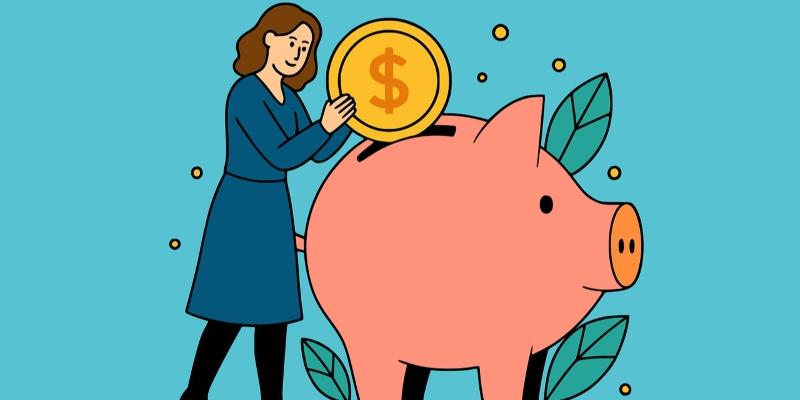
Willpower is overrated. If you rely on discipline alone, you’ll slip. That’s why the trick is to remove the decision altogether.
Set up an automatic transfer on the same day your paycheck hits. Even a small amount, like $50, moved straight into savings before you touch it, adds up fast. The key is you never give yourself the chance to “forget” or talk yourself out of it.
There are also apps and bank features that round up your purchases and stash the spare change. It feels invisible, but over time, it builds a nice cushion.
When saving happens in the background, you stop stressing about every dollar. The money stacks up quietly while you live your life. And when the day comes to finally make that big purchase, you’ll be glad you set it on autopilot.
Celebrate the Milestones Along the Way
Big goals take time, and if you don’t celebrate the small wins, it’s easy to lose steam.
Break your target into chunks. If you’re saving $2,400, celebrate when you hit $600, then $1,200, and so on. It doesn’t have to be anything expensive—treat yourself to a movie night, grab your favorite snack, or just take a moment to brag a little.
These mini celebrations remind you that progress is happening, even if you’re not at the finish line yet. They keep the process fun, not just a grind.
And here’s the secret: those little boosts of motivation make it way more likely you’ll actually stick with your plan until the end.
When Life Gets in the Way
No plan goes perfectly. Unexpected bills pop up. Your car needs repairs. A medical bill shows up. Or maybe you just have a rough month.
Here’s the deal—you don’t quit. You adjust. Saving isn’t all-or-nothing. If you can’t hit your usual number in one month, put in less. Even a small deposit keeps the habit alive.
Think of it like hitting pause instead of stop. When things settle down, you get back on track. What matters is consistency over time, not perfection in every single moment.
Life will always throw curveballs. The people who actually reach their big goals aren’t the ones who never stumble. They’re the ones who roll with it and keep moving forward.
The Purchase Is Just the Beginning
When you finally hit your goal and make that big purchase, it feels amazing. But here’s the real win—you’ve built a system that works.
You learned how to plan, cut out the noise, and stay consistent even when life threw curveballs. That skill doesn’t disappear once you buy the car, the laptop, or the trip. You can use it again and again.
Every time you save, you’re proving to yourself that you can take control of your money instead of letting it control you. That confidence? Worth way more than the thing you’re buying.
So enjoy the purchase. Celebrate it. Then pick the next goal and start again. This is just the beginning.